Species Recovery
Building a future for Wales’ most threatened wildlife

Turning the tide for threatened species
Wales is home to remarkable wildlife, but many species are under pressure from habitat loss, changing land management and other human-driven pressures.
Protecting what remains is vital. Reversing these declines demands action.
Wild Cymru works directly to support species recovery across Wales, combining practical conservation with targeted interventions to give threatened wildlife a better chance of survival.

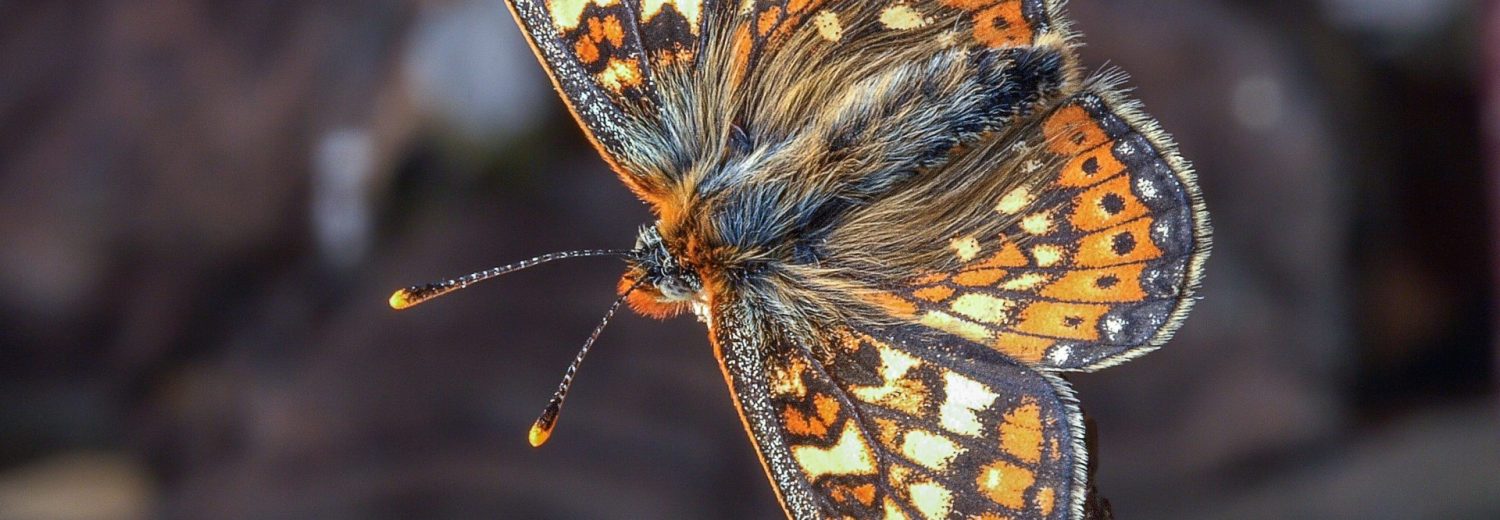
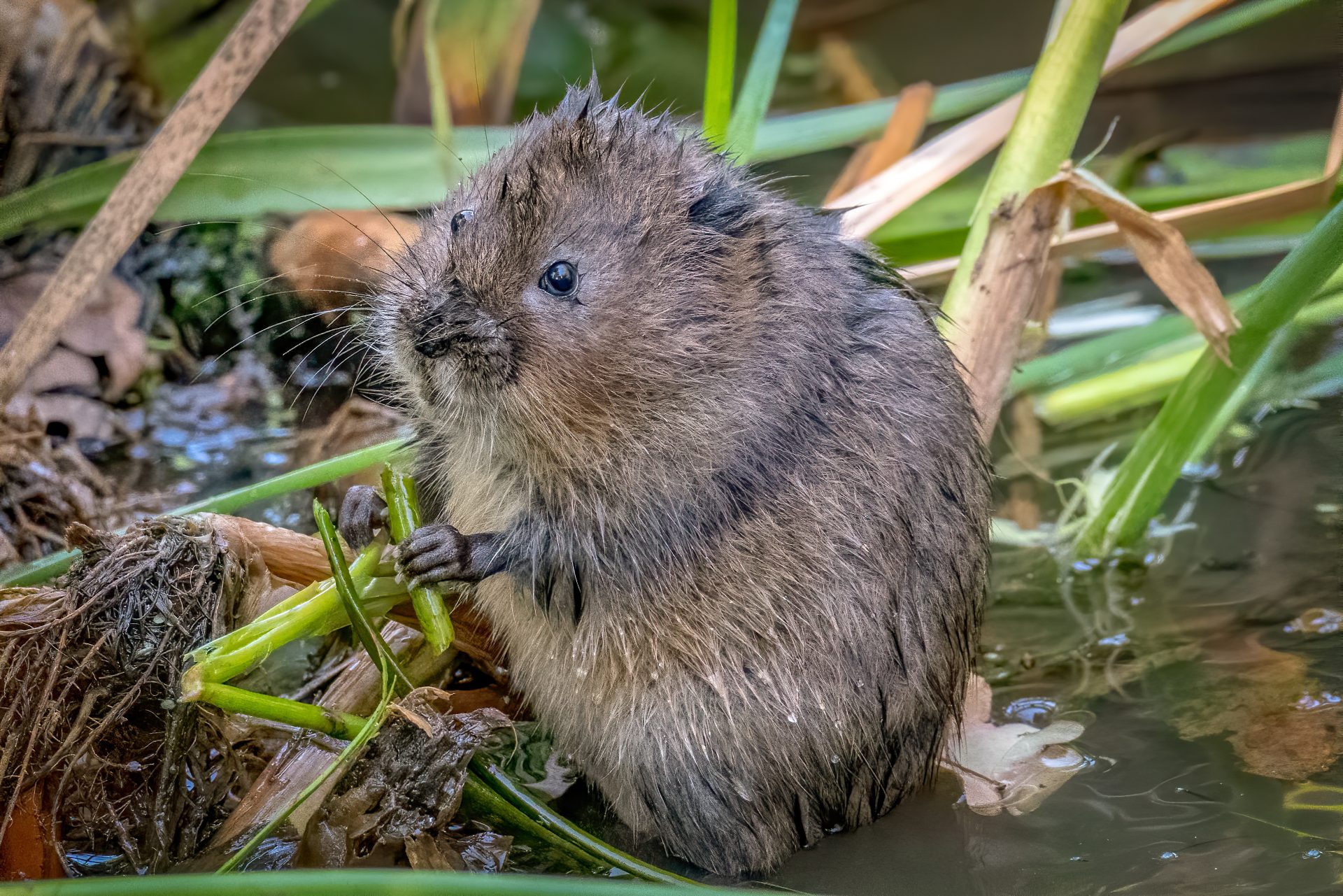
Our work includes supporting upland water voles, helping yellowhammers in farmland landscapes, and working to protect pied flycatchers in the Amman Valley. We also run a captive-rearing and release project for marsh fritillaries, helping to strengthen populations of this threatened butterfly.
Each species presents its own challenges. Effective recovery means understanding what wildlife needs, tackling the pressures it faces and taking action informed by evidence. Sometimes that means improving habitat; sometimes it means targeted support to help populations recover.
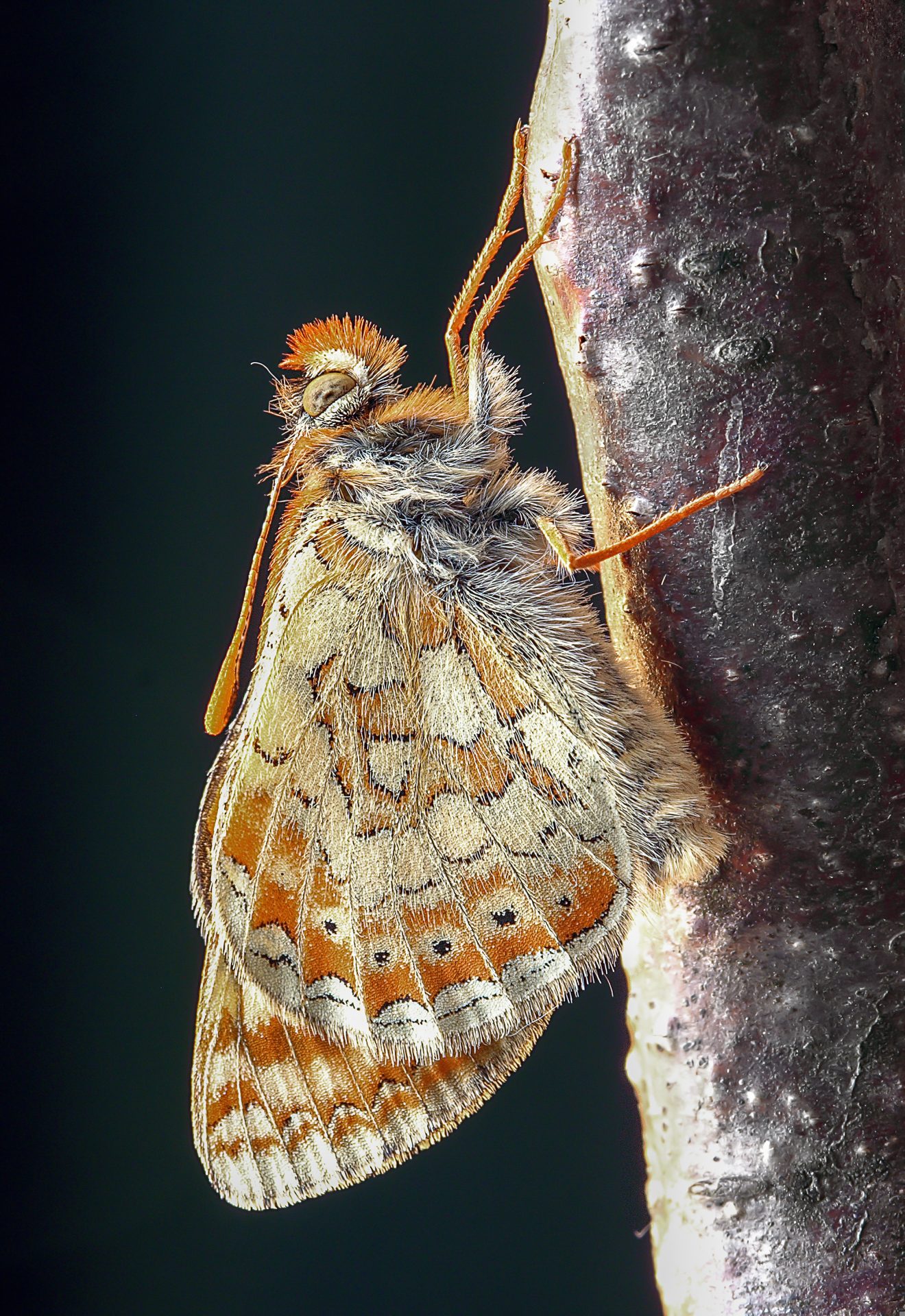

Our aim is to turn declining populations into recovering ones, giving threatened species the opportunity to survive and thrive for generations to come
Species Recovery in Action
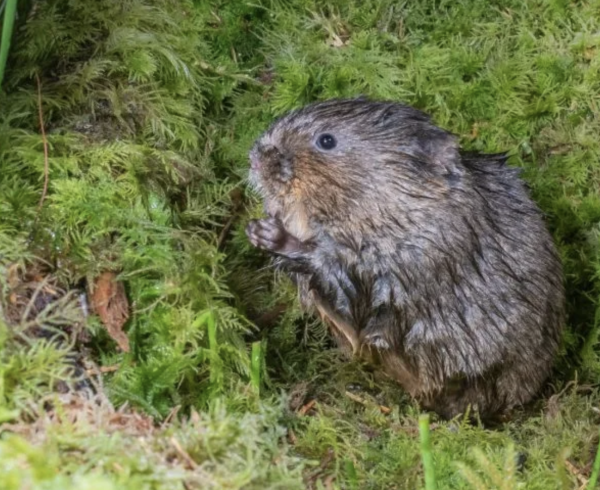
Saving Wales’ upland water voles
We are working to save one of Wales’ fastest declining species in one of the harshest environments
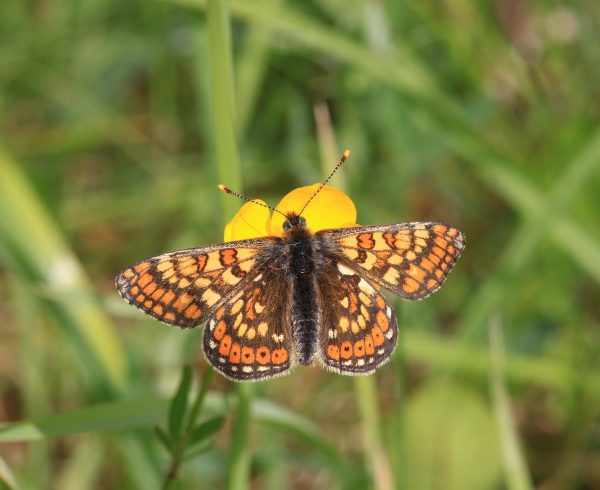
Saving Wales’ Marsh Fritillaries
We are running a pioneering project to rear and release one of Europes most threatened butterflies
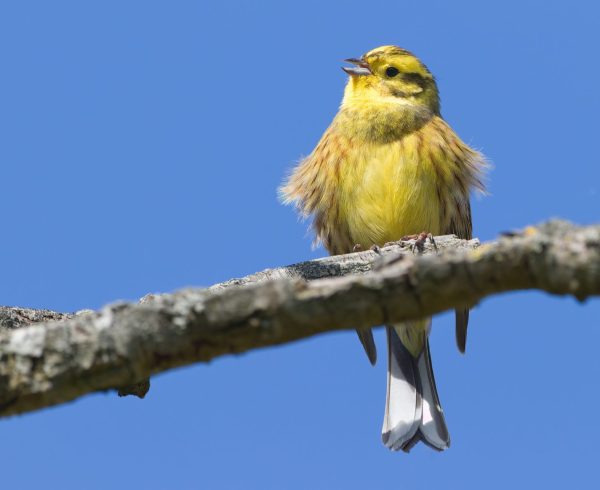
Saving Yellowhammers in the Vale of Glamorgan
We are working with farms in the Vale of Glamorgan to reverse the desperate decline of an iconic farmland bird